
Solar Panels
Solar Panels
Many solar panels are similar in size and weight, so what makes some so much better quality than others?
Here are 4 things that differentiate solar panels from one another:
Panel Efficiency
Solar panel efficiency is a measurement of a solar panel's ability to convert sunlight into usable electricity. Solar panel efficiency is determined by the production of electricity by solar cells, which is in turn influenced by the cells' composition, electrical configuration, surrounding components, and more.
In other words:
If you have two solar panels that have the same wattage output (350W panel vs. 350W panel), the panel with the higher efficiency will wake up earlier in the day, and go to bed later in the evening, thus producing significantly more kilowatt-hours (kWh). Since solar is all about producing kWh to offset electric bills, the better the efficiency rating, the fewer panels you need to produce the same amount of power.
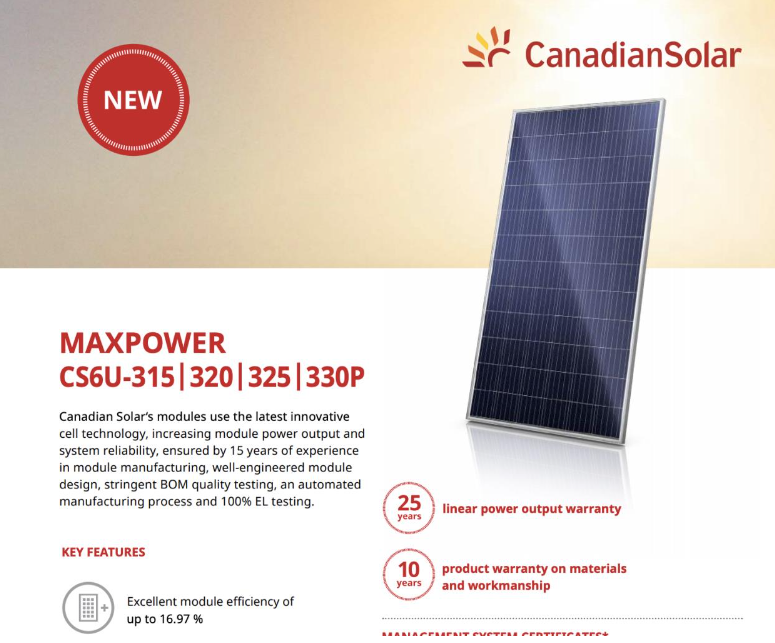
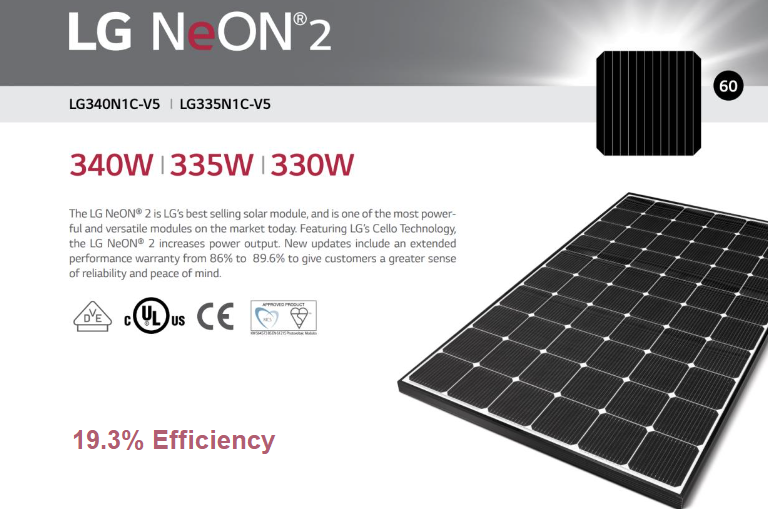
The above describes two panels with the exact same wattage output. However, their production over time would be vastly different.
The difference of 16.7% and 19.3% may seem small, but over the course of 25 years, the LG panel would produce much more power than the Canadian Solar panel — even though they are the same wattage per panel.
Lineal and Product Warranties
Few homeowners realize that every panel actually has two warranties.
1. Lineal Power Output Warranty:
A lineal power output warranty is what most salespeople point to. It basically says that if over 25 years the panels degrade too quickly, there is a limited warranty to have them replaced. Most panels do not cover labor, although higher-quality panels typically do.
2. Product Warranty:
This is the more important warranty, as it pertains to the panel actually working for a certain amount of time. Many panels have a 10, 12, 15, or even 25-year manufacturer warranty. Your lineal power warranty is virtually worthless if the panel is not working!
Salespeople often point to the lineal warranty and say "It's covered for 25 years," which couldn't be farther from the truth. The most important warranty is the product warranty.
Temperature Coefficient
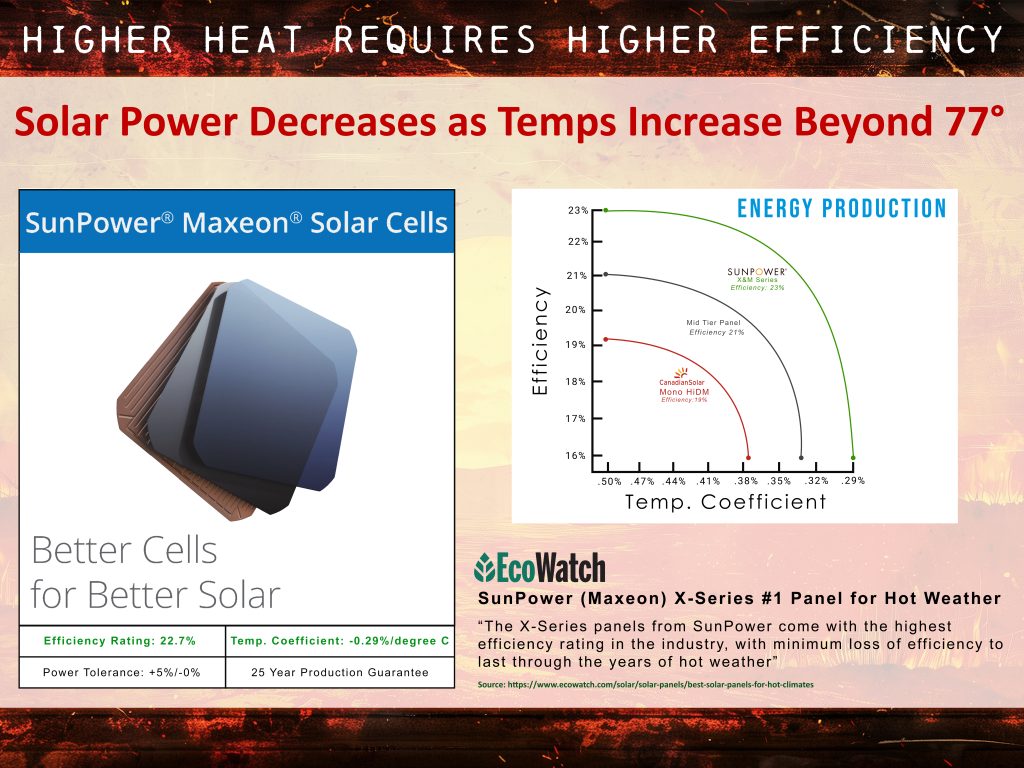
When it comes to installing solar panels in hot areas (such as Arizona or California desert areas), solar panel efficiency is even more important. Solar panels start to lose efficiency when their temperature reaches approximately 80 degrees. How much efficiency they lose is determined by the panel's temperature coefficient. The lower the temperature coefficient, the less efficiency the panel will lose in areas of extreme heat. This doesn't matter as much in temperate climates like Los Angeles or San Diego, but it is very important in areas where temperatures are normally higher than 110 degrees. If you live in the desert, pay extra attention to the graph above, and understand the temperature coefficient and its effects on overall panel efficiency and expected performance in heat.
Annual Degradation
What is solar panel degradation?
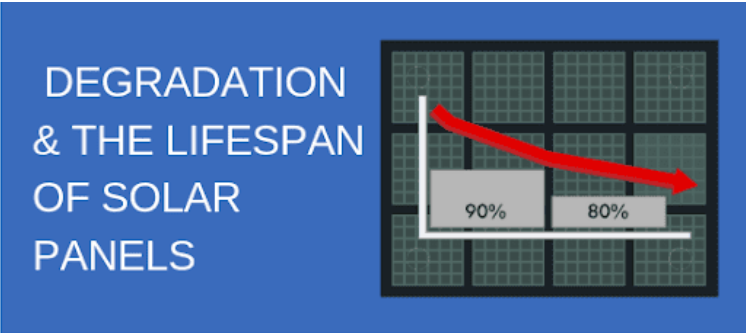
NREL research has shown that solar panels have a median degradation rate of about 0.5% per year, but the rate could be higher in hotter climates and for rooftop systems. A degradation rate of 0.5% implies that production from the solar panel will decrease at a rate of 0.5% per year.
If a panel degrades at 0.5% each year, a solar panel's efficiency will drop to 80% of its original efficiency after 25 years.
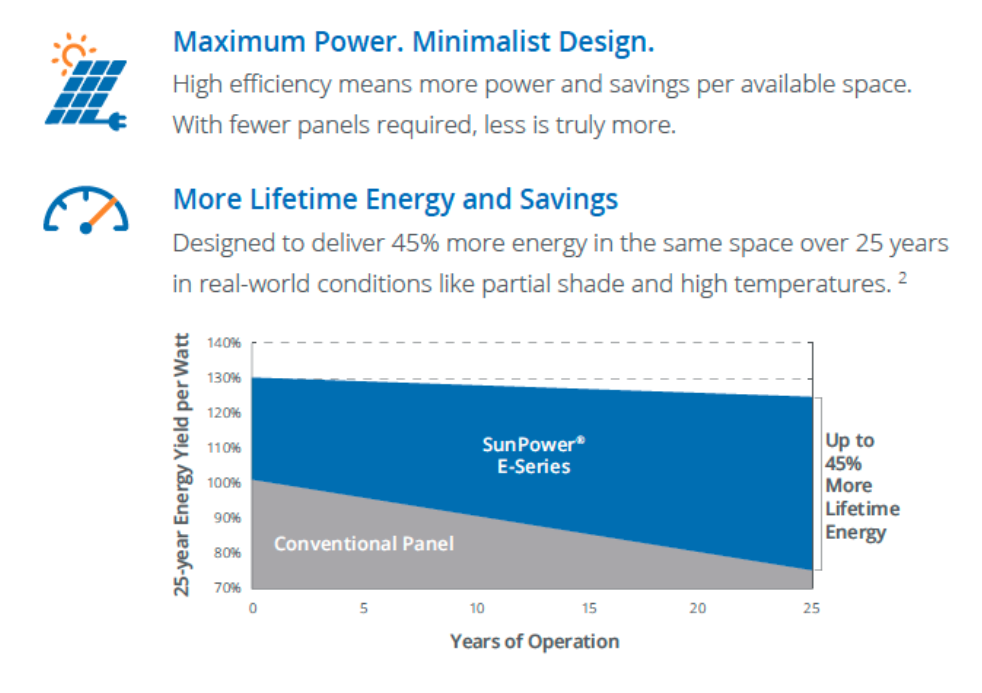
In contrast, SunPower panels come with a degradation guarantee of no more than 0.25%, which means you can still be getting about 92% of the power in year 25.
If you take the degradation and efficiency ratings from a higher-quality panel and compare them to a lower-quality panel, the better panel can produce about 25% more kWh over a 25-year period. That does not take into account inverters or other system component quality, which can push the difference to over 45%.
Size and Wattage Capacity
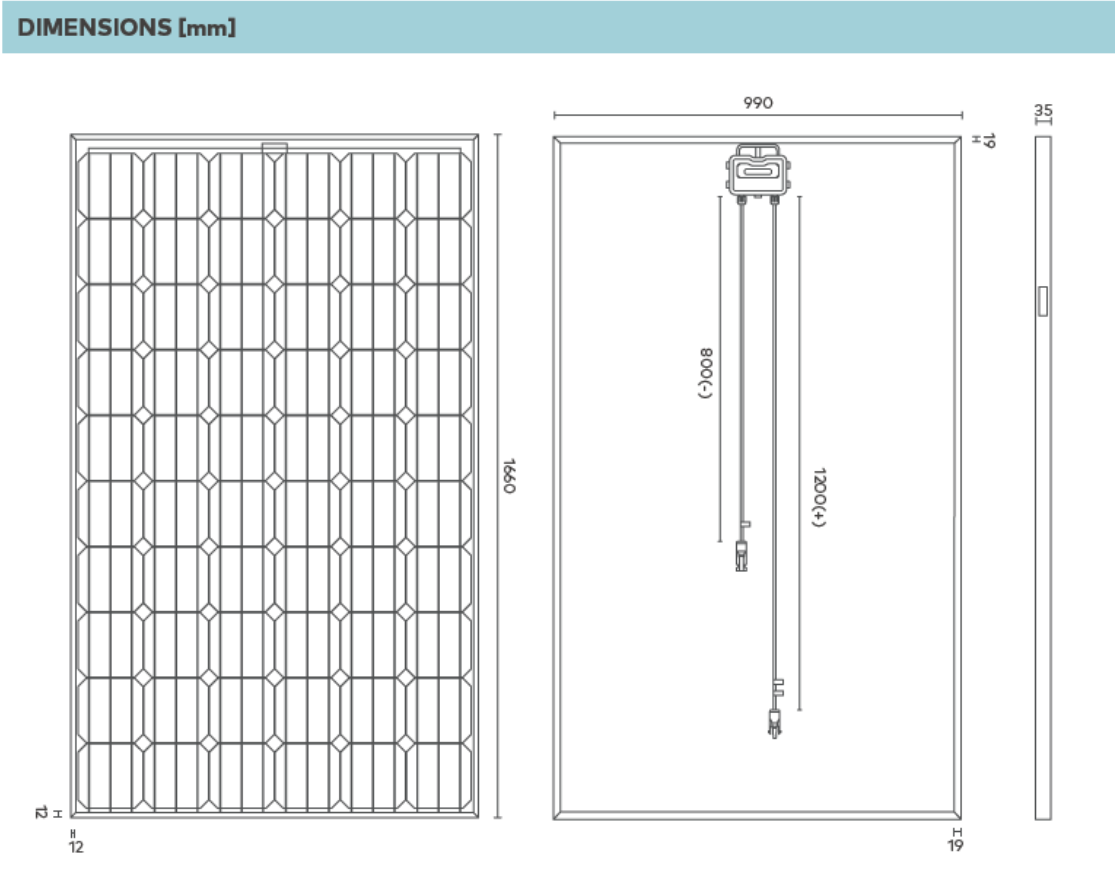
Most solar panels you will see are called "60-cell" and are close to the same size. Some panels simply add cells to be larger, like a 72-cell panel. Most of what you will see in residential solar is 60-cell.
As a rule of thumb, if you purchase a panel that produces less than 350W, it should be much cheaper than a panel producing more than 350W. All panels producing 400W or higher (that we know of) are physically larger than those producing 280–350W.
If you are constrained for space, a higher-wattage panel will make more sense for you. If you have a lot of space on your roof, you can save a little money by going with a lower wattage per panel.
Weight: The average panel weighs around 40 lbs. On your roof, that is not much weight spread out over 15+ square feet.
Leading SunPower Technology
At Heliogold, we proudly use SunPower solar energy solutions that are designed for efficient energy generation and optimal use. Unlike conventional solar providers, our SunPower systems are the most efficient on the planet, degrade the slowest, and come with an industry-leading 25 year Complete Confidence Warranty, all backed by SunPower.